Emmeline Armitage
Fiction
Ifelt their cigarette ash settle to powder, fallen like dry snow on my upturned stomach.
“Would you rather,” Agnes floated into the conversation, “be constantly drowning, constantly burning alive, or constantly suffocating in space?”
There was a momentary sigh from all members of our party, especially from Edie, who did not want to think about suffocation while sunbathing topless on the punctured edge of the rock’s tarred surface. It was early in the afternoon, the sun’s highest point in the sky, and we had all taken to lazing like reptiles amongst peach pits and damp towels, our loose chatter becoming increasingly asinine.
“It depends on the type of liquid,” Rachel added, “because I read somewhere that fresh water enters the bloodstream and fills your lungs, forcing you to stop breathing, whereas salt water sucks blood into the lungs, so you’re essentially drowning in your own supply.”
“Lovely,” said Edie.
“I’m going for a swim,” I murmured back.
The sea was cold and jumpy, supposedly from a ‘Great Wind’ that had drifted into southern France; the only way to enter it, without the risk of slipping a disk from the gelatine seabed of moss and kelp, was to crawl in a steady rhythm, submerging slowly into the blue-green liquid. From this vantage the scene rolled itself out: a towering limestone mountain range (the type you’d find on a fading postcard), hillsides plastered by rocks and sandy alcoves, and a few knowledgeable residents, scattered and newly settled, making home for the afternoon.
There was a discernible lack of tourists in the area, perhaps due to the not-for-the-faint-of-heart means of arrival; getting to this specific cove involved taking a bus out into the hinterland of the city, past abandoned schools and roaming boar, and onto dusty footpaths, between hiking trails and lecture halls. A long, trodden road uphill through the centre of a shaded forest must then be climbed for forty minutes, inviting another challenge of concentrated breath work in the unrelenting heat. A belief in one party member’s developed sense of direction must be maintained, and never questioned, even as the path forks in the road to three near-identical routes. I had impressed myself on the way by asking only once “are we there yet” around the one-hour mark, where in near delirium, Agnes had grabbed hold of a lazy telephone wire to steady her footing, only to be shook by the echoing shrieks of young girls, singing in a chorus of warning. We were all ungracefully hungover and challenged by the exercise, but grateful, once arrived, for the view, and for the sense of having done it all together.
When I got back out of the water, the girls had cracked open our sandwiches, in which thin slices of meat were laid across slabs of baguette and packet mozzarella; they tasted salty, and satisfying to bodies that had been stretched out and wizened by the sun. The conversation had developed, naturally, to a game of fuck/marry/kill with disgraced politicians.
“Put yourself in Lewinsky’s shoes,” Edie chimed in, “I’m sure the novelty of wearing a cum-stained skirt in the presence of the national media might have something to do with kinks. I’m not saying she’s a freak, and I’m also not saying I wouldn’t have done it.” Harsh applause rang out from nearby waves, which slapped periodically against the rocks behind us.
We were in Marseille visiting Edie, who had been living in the city for the short remainder of her MA in International Relations. It was Agnes’ first time back in France since she had left the Parisian man with one eye, who still harassed her over email, threatening to do strange and unmentionable things to her body. And for Rachel and myself, we were content playing plucky twenty-somethings, leaning into the experience of receiving a last-minute invitation and finding a cheap flight, then booking even cheaper accommodation just five minutes before the plane took off. We didn’t know each other well, but in this environment, it didn’t seem to matter – as the local saying went: girls with bare skin and salt hair in the eyes of the sun have all the same heart.
“Do we know when the last bus home is?” Agnes whispered with resting eyes, and barely open lips.
We’d almost missed our ride that morning, sleeping willingly through our alarms and questioning if we had a hike in us after all. The night before, we’d spent hours in a bar sipping Pastis – a cool, yellow aniseed liquor, drunk locally as an apéritif or a nightcap – until the mood for chaos took over us. We let two men who had been hovering nearby take us to an Irish pub, where the Guinness had tasted unforgivably like coffee tequila, and the men swarmed around us like fruit flies. After we gathered in the bathroom to discuss whether the frivolity of kissing them would be worth the potential risk of their subsequent behaviour, we found our suspicions sadly proven correct, when at midnight the men turned sour, becoming sticky and gropey, sacrilegious despite their cross necklaces.
In fact, ever since we’d arrived in the town, we had all felt the acute discomfort of being watched, of feeling both disconnected and yet centric to attention. We didn’t know our surroundings and were mostly new to the city, perhaps we should have been invisible as fleeting visitors, but instead we felt more like circus performers, doting bulbed, swirling signs that brightly read “LOOK AT US!”, disturbing the natural order.
“All the rubbish and plastic floating in the sea makes you think about what would happen if we were stuck to this rock for eternity, and left to rot,” Agnes piped in.
“Not this again,” Edie half-laughed, waving her hand limply around her face in an attempt to stay cool.
“All just IUDs and double Ds, chicken fillets and braces and hair extensions. That’s what the aliens will see when they get here. My vague attempts not to get pregnant and my false modesty floating around as scum.”
“How long do they stay inside you, if you don’t take them out?” I asked, hesitatingly.
“Forever, duh.” Rachel snapped back. “IUDs are pretty indestructible. You could mummify me and it’d still be there, that little goat head fucker.”
Agnes was now sat on the side of the rock, eating her sandwich and facing the sun, the dripping of tomato unstained against her red bikini bottoms. In her periphery, a tall and fiercely blue-eyed man, despite his girlfriend being tucked asleep like a purring cat on his lap, was blatantly staring at our breasts. “Aimant!” we stared back at him, mouthing “moustique,” or gesturing at him to turn away, but to no avail. It brought back stinging memories of Agnes’ first night here, where she had been wandering round Cours Julien with her signature painted face, in a flowing dress of tangerine. She had felt the breeze come through folds in linen as a freedom to a body that had otherwise been stifled by a difficult past few months. To navigate her route to Edie’s, she’d hopped on an electronic scooter, only to be immediately knocked off it in sheer fright and shock from the cat-calling and horn-bleeping of an off-duty Ambulance driver. She returned home bloody and scarred, now gauze where kneecap should have been, her wound turning yellow in the sun, reminding us that we were all skin and bone.
“Fucking rude,” she muttered into her sandwich.
Despite our initial intentions to get out and see the city, we’d spent the majority of our daytimes here finding suntraps and making the most of the opportunity to be still. In between frosted beers and menthol cigarettes, we would choose a beach, a book, a topic of conversation, and feign life’s simplicity. These coves were no exception; we had skilfully learnt to dodge the men that looked like Agnes’s ex, weaving through groups of party-goers and exam-finishers, and instead found quiet corners, entertaining ourselves with discussions of the local economy and ethical tourism (a term Edie had introduced us to), considering whether our English feet in Marseille sand was ruining the balance of things, whether we had made any discernible impact on our new surroundings, or whether France’s “hottest city” was now negatively subject to people like us, who wanted to escape and be unseen in its natural cavities, with little thought of consequence.
Just as we had come to one of our latest revelations on the topic, a group of young boys playing loud baile funk from a UE boom began to gather across the water. Presumably revelling in the liminality of their summer holidays and not-yet-developed frontal lobes, they all ran to the highest point of the cliff’s edge and, in a classic squabble of young men near a group of women, began to shout and flirt and flex their muscles, gaining in confidence and flashiness with each passing minute. We resisted moving, curious to see if they would start jumping off the rocks, which they soon did, each motioning to us with a new gesture as they launched themselves into the water.
On the other side of the cove, at almost the exact same moment, five other figures emerged, this time men in camouflaged military attire donning impossibly large backpacks and scrambling in unison like ants across the rocks. One of the men, with purple bruising across the right side of his face, stripped-off fully, clocking our party and gazing intently at us as he removed each layer of clothing. There was a noticeable moment of collective silence as he leapt clean into the air, sailing downwards in motions of figure eights, the line of his naked body traced distinctly against the sky, and landing finally with a punchy thud.
Soon from every angle we were struck by a fireworks show of men. Each in turn they plummeted into the water, spreading around us with loud pyrotechnics and crashes of cascade splashes, sea-foam explosions. We took this collectively as our sign to leave, and began gently folding up our towels, collecting the stray shells and sunglasses we had gathered over the course of the day, and concluding that death in space might be the most peaceful way to go.
The walk back was pointedly more painful than the way there, given mainly our lack of energy. We each began to sing quietly to ourselves to avoid questions about the remaining distance, and distract ourselves from the knowledge that we still had at least an hour to walk in the low sun, which was lingering determinedly. The playful banter concerning our low phone batteries and lack of remaining water being akin to some low-budget teen horror movie lasted until we finally saw our bus, a small saviour at the end of the long footpath.
“Well, I’m glad we don’t have to decide which one is going to get eaten first,” Rachel joked, but we were all too tired to laugh.
When we finally returned to the city centre at Vieux Port, the evening was beginning to unfurl itself, with crowds swelling and circling across the streets. We wandered over to the centre of the square where a large mirrored structure sat as if to cover the sky, and stood there for a moment, watching ourselves in the reflection. We couldn’t help the girlish curiosity to analyse our hip bones and cheek structures, to think about how we had all looked that day, laying on the rock in the sun, about how red our skin was and how matted our hair, about how much we had seen and pretended not to, like small fish caught in lazy nets, or candy crabs being prodded in plastic buckets – something beautiful taken out of the context of its beauty.
Our attention was however soon cut by a strange hum of concern coming from beside the docks, where people were gathering around the edge of the port, and lining the ridge of the water like salt. Some were gawping and pointing, others sinking their hands into their pockets to reach a phone, and record the view. Even a nearby stag do had been reduced to a low murmur; some men now knelt to the ground, their heads lolling in prayer. We all looked to Edie for a verbal translation, but saw answers only in her pale face as she stood, motionless, hair still dripping, skin peeling at the corners. From a faded green fishing boat, a body was being slowly winched up out of the sea – a young man in his twenties, face wrinkled by water, one eye open, sideways, staring at us. There were fissures in his body where hooks had entered the skin and algae sticking to him, seaweed swinging between his eyelashes, limpets clinging to each wrist. We all looked immediately to Agnes, whose face had been caught in mirrored recognition, and then turned slowly, quietly towards home. We really didn’t want to talk about it, and we didn’t want to look, despite our morbid curiosity.
Emmeline Armitage is a writer-musician from West Yorkshire now based in London, who began performing publicly at the age of 17 when she won the national poetry competition SLAMbassadors. She later graduated in English Language and Literature from Oxford University in 2021, before completing a Masters in Literary Non-Fiction from Royal Holloway the following year. While studying, she had her work published in Wonderland, The Bedford Review, The Line of Best Fit and The London Magazine, as well as signing a record deal with super producer Fraser T Smith (Dave, Adele, Stormzy) and live agent Andy Duggan at WME. Emmeline is a current artist in Residence at the Roundhouse, is the co-host and producer of culture and literary podcast Out-of-Print, and is a regular performer/host at underground beat cyphers and literary events including Poetry Live, Hay-On-Wye Literature Festival, and Out-Spoken
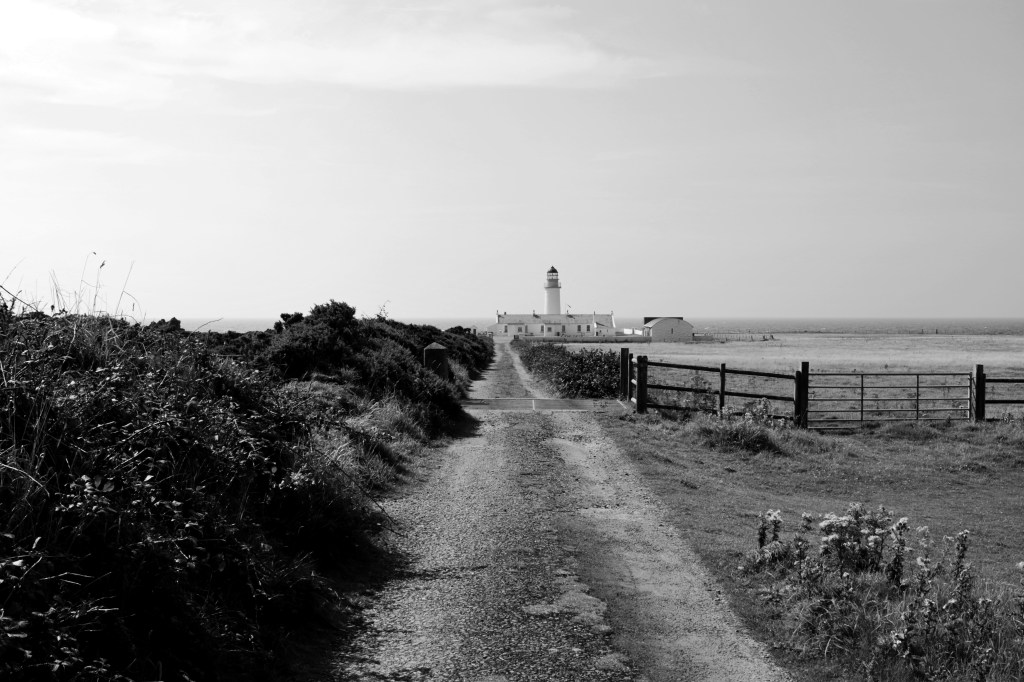
Photo Credit: Jolanta Maria Grodecka is a writer, translator, and photographer living in London. Her short story ‘At the Wrong Time’ was published as a part of the collaborative novel ‘Mikado, the Cartographer & the Attachment Postal Service’ by La Piccioletta Barca. She currently works on polishing her first novel.

